Sustainability at Audi: our vision for 2050
Doing business sustainably is one of the defining challenges of our time. At Audi, every step counts in driving meaningful change. We are committed to delivering sustainable mobility solutions, including electric vehicles (EVs) and low-emission transportation, while integrating eco-friendly practices across all areas of our business.
By focusing on reducing carbon emissions and promoting green mobility, Audi aims to create a cleaner, more sustainable future without compromising on performance or innovation.
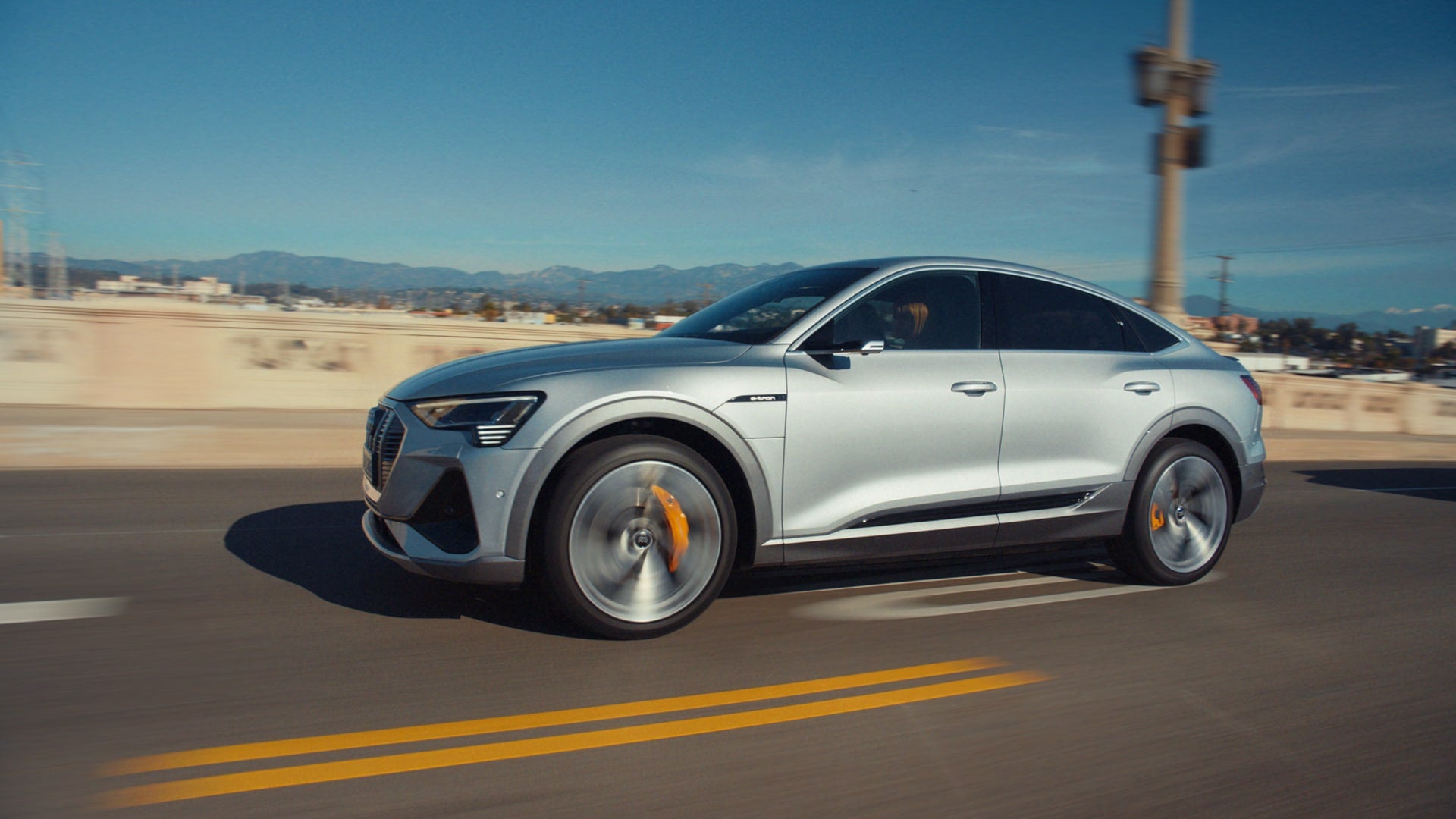
Our path: systematically reduce CO₂ emissions
Audi has a clear vision: the company wants to achieve a carbon-neutral balance 1 by 2050 – from the supply chain and production through to the entire life cycle of its models. A responsible use of resources, the systematic reduction of CO₂ emissions, the development of sustainable electromobility, and many other measures are making a decisive contribution to Audi acting consistently in a more sustainable way.
#CircularEconomy
Driving Sustainable Manufacturing and Resource Efficiency
Audi is actively promoting a circular economy by integrating sustainable manufacturing practices across its operations. This commitment begins early in the production process, with a focus on resource efficiency, waste reduction, and water sustainability. At its San José Chiapa plant in Mexico, Audi produces vehicles using a zero-wastewater production system, where all water is treated and reused.
Recycling plays a key role in this approach. Through remanufacturing, used components are restored to original quality, supporting a more efficient used-parts ecosystem. Audi also advances sustainable material use through its Aluminium Closed Loop initiative, enabling the reuse of aluminium offcuts within the supply chain, helping reduce waste and lower carbon emissions.
In 2018 alone, this initiative saved around 90,000 metric tons of CO₂ emissions, while Audi also became the first car manufacturer to receive the ASI sustainability certification for responsible aluminium sourcing.
Looking ahead, Audi plans to offer 30 electrified models by 2025, including 20 fully electric vehicles. As demand for EV batteries grows, Audi is committed to improving the battery lifecycle, supporting ethical sourcing, and enabling lithium-ion battery recycling through its involvement in the Global Battery Alliance.
#MissionZero
Carbon-Neutral Production at Audi
The Audi Brussels plant is the world’s first carbon-neutral large-scale production facility in the premium automotive segment. As part of Audi’s Mission: Zero environmental program, all production sites are targeted to achieve carbon neutrality by 2025, an objective already realised in Brussels.
By using renewable energy and green electricity since 2012, the plant reduces up to 40,000 metric tons of CO₂ emissions annually. A large photovoltaic system, expanded in 2017 and covering 89,000 square metres, generates enough solar energy to power around 1,500 households each year.
In addition, carbon-neutral heating is achieved through biogas, while remaining emissions from fuels and processes are offset via carbon credit projects. This approach reinforces Audi’s commitment to sustainable manufacturing, clean energy, and a low-carbon future.

Driving to a more sustainable future
Innovation has always been at the heart of everything we do, but now it’s about taking progress in a new direction. Learn more about our path to a more sustainable mobility.
#E-mobility
Electric Cars from Audi
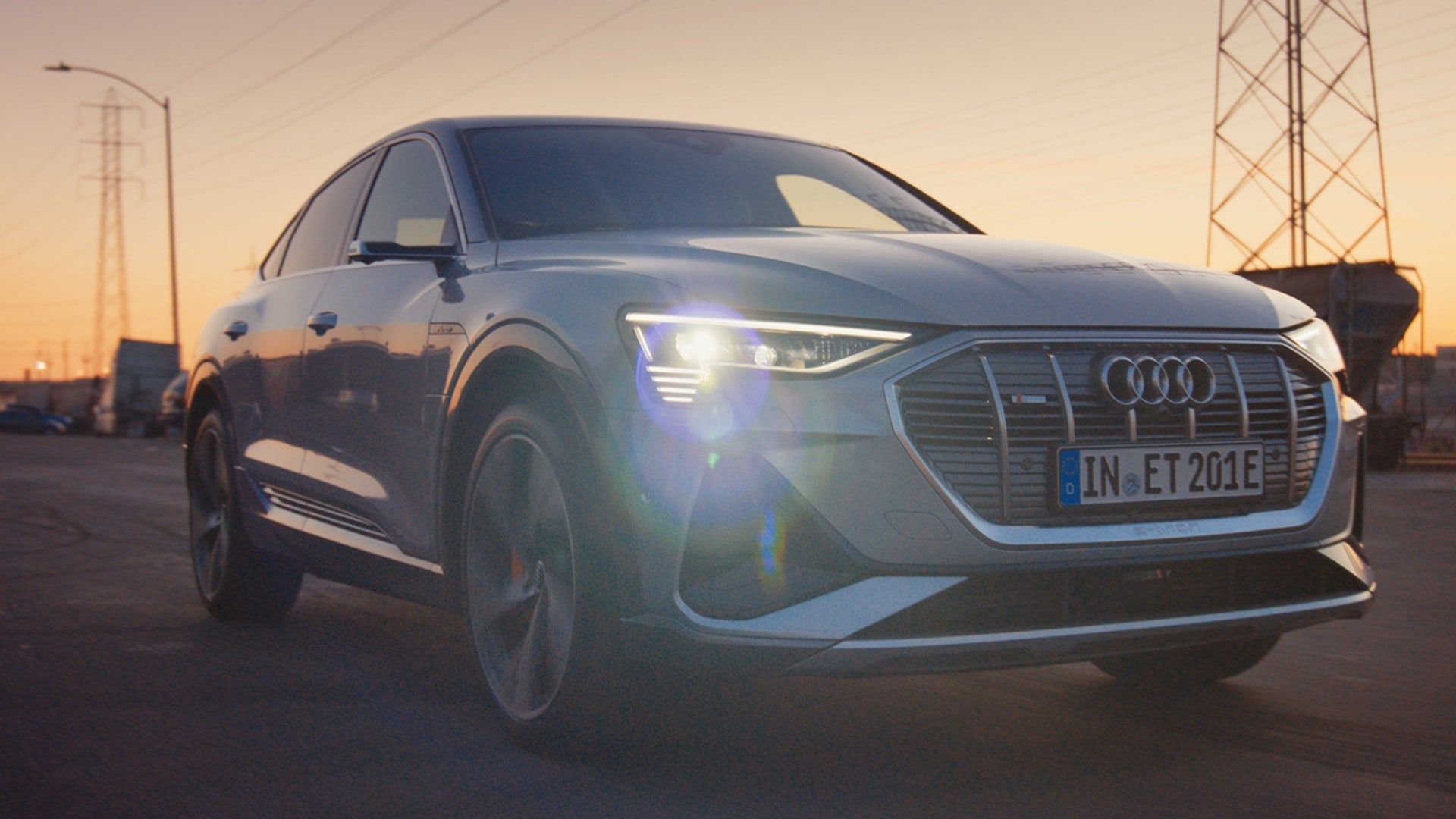
Audi is rapidly expanding its range of electric cars in the premium segment, focusing on both fully electric vehicles (EVs) and plug-in hybrid models. The brand laid a strong foundation for its electric mobility journey with the launch of the e-tron in 2018.
Building on this, Audi introduced the e-tron Sportback in 2019, followed by the upcoming Audi e-tron GT, a high-performance electric coupe produced at the Neckarsulm plant. With continuous innovation in EV technology and sustainable mobility, Audi is accelerating its transition towards a fully electric future.
Audi is changing. The future is electric across all segments
- Hildegard Wortmann, Member of Management for Sales and Marketing
#Range
Charging Infrastructure for Electromobility
In partnership with IONITY, Audi is strengthening EV charging infrastructure to make electromobility more practical for everyday use. The IONITY network delivers high-power charging (HPC) across highways in 25 countries, enabling fast and convenient long-distance travel for electric vehicles.
With the Audi e-tron Charging Service, customers gain access to over 135,000 charging points across Europe through a single card, ensuring seamless and cost-effective charging from hundreds of providers.
For home charging, Audi supports renewable energy solutions with Volkswagen Naturstrom, allowing drivers to power their vehicles using 100% green electricity, further reinforcing Audi’s commitment to sustainable mobility and a clean energy future.
#Symbiosis
Sustainability Meets Success at Audi
At Audi, sustainability and economic success go hand in hand. As demand for premium sustainable mobility grows, Audi is committed to delivering carbon-neutral mobility solutions across its entire model range.
This approach is driven by a strong focus on ESG (Environmental, Social, and Governance) principles, integrating ethical practices, environmental responsibility, and social impact into every aspect of the business. By balancing ecology and economics, Audi is building a future defined by clean mobility, innovation, and long-term value creation.